Why Automation Is Not Always Equal to Productivity — A Reality Most Businesses Ignore
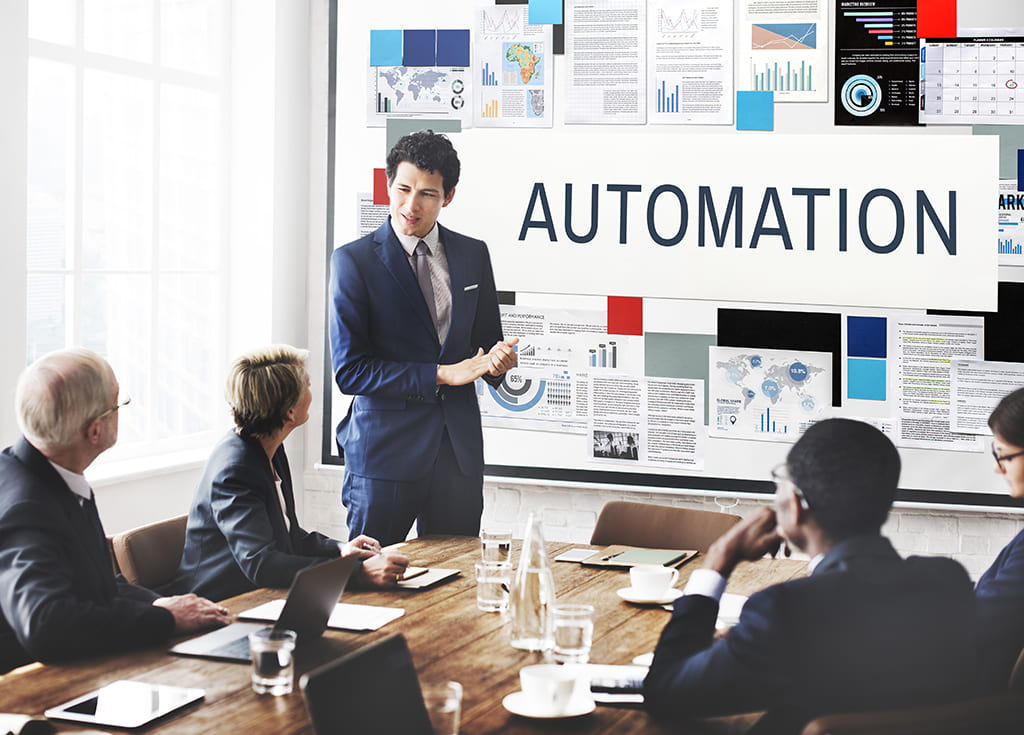
Why Automation Is Not Always Equal to Productivity — A Reality Most Businesses Ignore
“Automating a bad process doesn’t make it better. It makes it faster — and sometimes worse.”
Over the last few years, automation has become a default business goal.
Every organization wants to:
- Reduce manual work
- Improve efficiency
- Scale operations
And automation promises all of that.
So businesses invest in:
- Workflow tools
- AI integrations
- Process automation systems
But after implementation, something unexpected happens.
Work is automated — but productivity doesn’t improve the way they expected.
The Assumption That Speed Equals Efficiency
Automation is often associated with speed.
Tasks get completed faster.
Processes run without manual intervention.
But speed alone doesn’t guarantee productivity.
If the underlying process is flawed, automation simply accelerates the inefficiency.
“Efficiency is not about doing things faster. It’s about doing the right things better.”
Real-World Scenario: When Automation Adds More Work
A company automated its internal approval process.
Earlier:
- Manual approvals via email
- Flexible communication
After automation:
- Structured workflow
- Fixed steps
- Mandatory inputs
On paper, it looked efficient.
In reality:
- More steps were added
- Exceptions became harder to handle
- Employees started bypassing the system
The process became rigid instead of productive.
Automation Without Process Clarity
One of the biggest mistakes:
Automating before understanding the process.
Businesses often skip:
- Process mapping
- Bottleneck identification
- Workflow simplification
And directly jump to automation.
The result:
- Complex systems
- Confusing workflows
- Reduced usability
The Hidden Cost of Over-Automation
Not everything needs automation.
Trying to automate everything leads to:
- Loss of flexibility
- Increased system dependency
- Difficulty handling edge cases
Some tasks are better left semi-manual.
Because:
“Control sometimes matters more than automation.”
When Tools Dictate Processes
Another common issue:
Businesses adapt their workflow to fit the tool.
Instead of:
Tool → supporting process
It becomes:
Process → adjusted for tool
This leads to:
- Compromised efficiency
- Unnatural workflows
- Reduced team comfort
The Human Element Gets Ignored
Automation reduces human effort — but doesn’t eliminate human involvement.
Employees still need to:
- Monitor systems
- Handle exceptions
- Make decisions
When systems are too rigid, people struggle to adapt.
The Illusion of “Set and Forget”
Many assume automation runs independently.
But real systems require:
- Regular updates
- Monitoring
- Optimization
Without this, performance declines over time.
When Automation Actually Works
Automation delivers real value when:
- The process is already clear
- Repetitive tasks are identified
- Rules are well-defined
- Exceptions are minimal
In such cases, automation:
- Reduces effort
- Improves consistency
- Saves time
Practical Approach Before Automating
Before implementing automation, ask:
- Is this process clearly defined?
- Can it be simplified first?
- Are there frequent exceptions?
- Will automation improve user experience?
If not, refine the process before automating.
The Role of IT Companies
A responsible IT partner doesn’t just automate.
They evaluate:
- Whether automation is needed
- What level of automation is appropriate
- How it will impact real users
Because sometimes the best solution is not full automation.
Balance Between Automation and Control
The goal is not to automate everything.
The goal is to:
- Automate what makes sense
- Keep flexibility where needed
This balance determines long-term success.
Final Thoughts
Automation is powerful.
But only when applied thoughtfully.
Blind automation leads to:
- Complexity
- Frustration
- Reduced efficiency
While smart automation leads to:
- Clarity
- Consistency
- Real productivity
“Automation should simplify work — not redefine it in a more complicated way.”
Visitors: 89
Categories:
IT Industry
Automation
Tags:
Automation
AI
Digital Transformation
IT Consulting
Workflow Optimization
Process Improvement
Efficiency